Soft Sweet Sourdough Bread
Highlighted under: Sweet Temptations
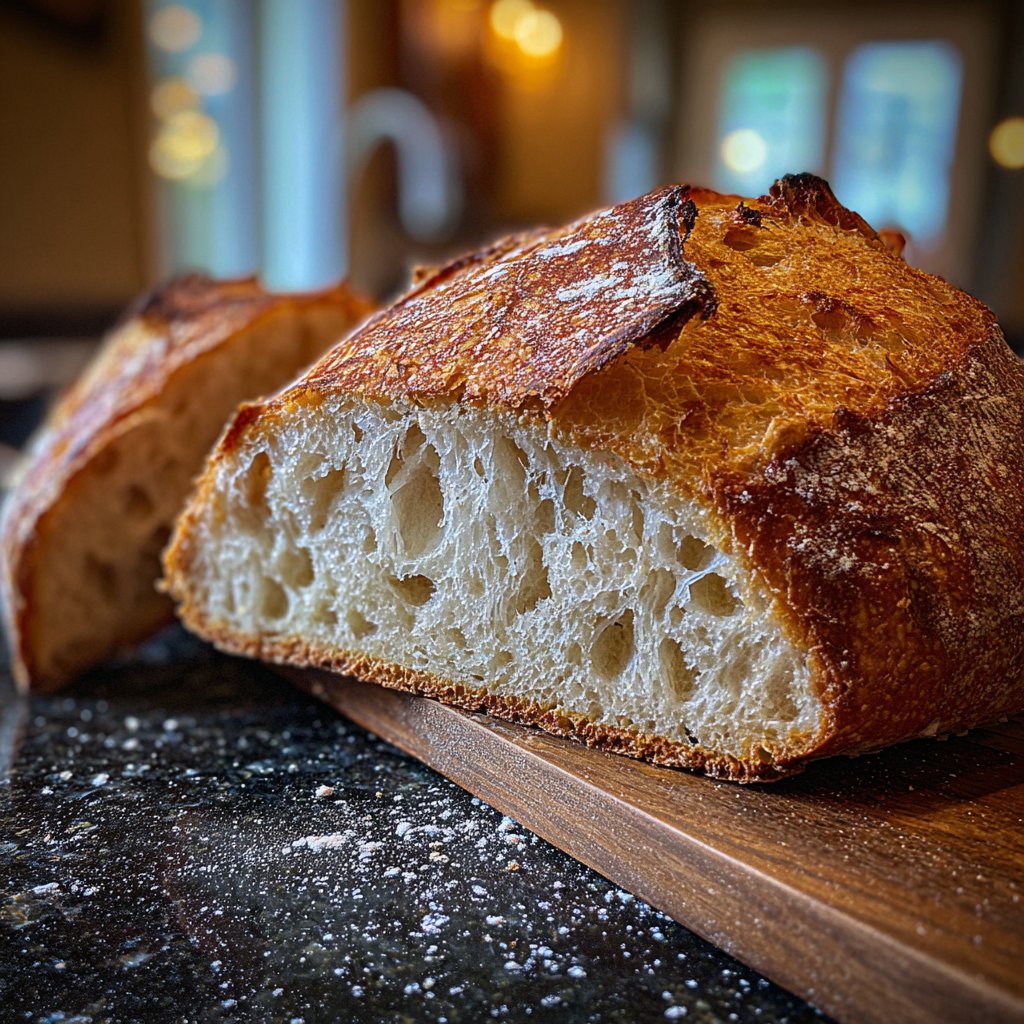
I absolutely love making Soft Sweet Sourdough Bread! The transformation from simple pantry ingredients into a beautifully risen loaf is my favorite part of baking. Each step unfolds a delightful experience, where the warm, rich aroma fills my kitchen, evoking memories of family gatherings and comfort. The hint of sweetness paired with the distinct sourness creates a unique flavor profile that has quickly become a family favorite. I can’t wait for you to try this recipe and discover how easy it is to create this heavenly bread at home!
As I embarked on this baking adventure, I experimented with adding a touch of honey to a traditional sourdough recipe. The result was nothing short of magical! The honey not only enhances the flavor but also helps the bread stay moist for longer. I remember the first loaf I made – it came out with a perfectly crusty exterior and a soft, sweet interior, leaving everyone at the table wanting another slice.
Another tip I discovered is to let the dough rest longer during the bulk fermentation phase. This patience pays off in the form of a beautifully airy crumb structure that elevates the eating experience. Each time I bake this, I’m reminded of the joy that comes from creating something delicious from scratch!

Why You Will Love This Recipe
- The perfect balance of sweetness and tanginess.
- A wonderfully soft and chewy texture.
- Ideal for sandwiches, toasting, or simply spreading with butter.
Understanding Sourdough Starter
The sourdough starter is the heart of this bread, contributing to its characteristic tang and promoting a lovely rise. A healthy, active starter should be bubbly and have a pleasant, slightly sour aroma. If your starter isn’t performing well, consider feeding it more frequently leading up to baking day, typically once every 12 hours. This will enhance the yeast’s strength and ensure your bread rises beautifully.
When measuring your starter, ensure it's at peak activity — usually a few hours after feeding. If you're short on time, you can substitute a commercial yeast, but keep in mind it won't replicate the same depth of flavor. If using commercial yeast, use about 2 teaspoons, dissolving it in the warm water before mixing.
Kneading for Success
Kneading the dough is crucial for developing gluten, which gives the bread its structure. If you're kneading by hand, aim for a smooth, elastic texture that springs back when pressed. I recommend using the 'windowpane' test — stretch a small piece of dough between your fingers; it should be able to stretch thin without tearing. If it tears easily, continue kneading until you achieve this texture.
For a more hands-off approach, consider using a stand mixer with a dough hook, which takes about 5–7 minutes on low speed. Regardless of your choice, be careful not to over-knead, which can lead to denser bread. Allow the dough to rest briefly if it starts to tense up.
Ingredients
Gather these simple ingredients to start your baking journey:
For the Bread
- 3 cups all-purpose flour
- 1 cup sourdough starter (active and bubbly)
- 1 cup warm water
- 2 tablespoons honey
- 1 teaspoon salt
Instructions
Follow these steps for the best sourdough experience:
Mix the Dough
In a large mixing bowl, combine the flour, sourdough starter, warm water, and honey. Mix until a shaggy dough forms. Let it rest for 30 minutes.
Knead and Add Salt
After resting, sprinkle the salt over the dough and knead by hand or with a mixer for about 10 minutes until smooth and elastic.
Bulk Fermentation
Cover the bowl with a damp cloth and let the dough rise at room temperature for about 4 hours, folding it every hour to develop strength.
Shape the Loaf
Once the dough has doubled in size, gently turn it out onto a floured surface and shape it into a loaf.
Final Proof
Place the shaped loaf in a greased loaf pan. Cover and let it rise for another 1-2 hours until puffy.
Bake the Bread
Preheat the oven to 450°F (230°C). Bake the bread for 25-30 minutes, or until golden brown and the loaf sounds hollow when tapped.
Cool and Enjoy
Remove the bread from the pan and let it cool on a wire rack for at least 1 hour before slicing. Enjoy your delicious creation!
Pro Tips
- For best results, make sure your sourdough starter is active. If you want to enhance the flavor, consider adding seeds such as sunflower or sesame into the dough during mixing.
Storage and Freshness
Once your Soft Sweet Sourdough Bread has cooled, store it at room temperature wrapped in a clean kitchen towel. This will keep the crust crisp while preventing the bread from drying out too quickly. For longer storage, consider slicing the loaf and placing it in a plastic bag to freeze. This way, you can enjoy fresh slices whenever you wish — simply toast them directly from the freezer.
To extend its freshness, avoid refrigerating, as this can lead to stale bread quicker than storing it at room temperature. When you’re ready to enjoy your leftovers, popping them in a toaster or oven will revive that wonderful texture and flavor.
Variations and Serving Suggestions
Feel free to experiment with the additions! Consider incorporating ingredients like dried fruits, nuts, or seeds during the shaping step. These additions can provide delightful bites that elevate the loaf's flavor and texture. Remember to adjust your flour slightly if you add ingredients that absorb moisture, like whole grains or nuts.
Soft Sweet Sourdough Bread serves beautifully with a variety of toppings. Spread it with creamy butter, layer it with your favorite jams, or even use it for gourmet sandwiches. A hint of freshly sliced avocado sprinkled with salt adds a nutritious twist, while slices paired with sharp cheese make for an impressive appetizer.
Questions About Recipes
→ Can I use all whole wheat flour?
Yes, you can substitute half of the all-purpose flour with whole wheat. Just keep in mind it may affect the texture.
→ How can I tell if my sourdough starter is active?
Your sourdough starter is active if it bubbles up and doubles in size within a few hours of feeding.
→ Can I refrigerate the dough during the fermentation process?
Absolutely! If you refrigerate the dough, it will develop more flavor, but you should let it come to room temperature before shaping.
→ What should I do if my bread doesn't rise?
If your bread doesn't rise, it could be due to an inactive starter or cooler kitchen temperatures. Try placing it in a warmer spot.
Soft Sweet Sourdough Bread
Created by: Chantel Rivers
Recipe Type: Sweet Temptations
Skill Level: Intermediate
Final Quantity: 1 loaf
What You'll Need
For the Bread
- 3 cups all-purpose flour
- 1 cup sourdough starter (active and bubbly)
- 1 cup warm water
- 2 tablespoons honey
- 1 teaspoon salt
How-To Steps
In a large mixing bowl, combine the flour, sourdough starter, warm water, and honey. Mix until a shaggy dough forms. Let it rest for 30 minutes.
After resting, sprinkle the salt over the dough and knead by hand or with a mixer for about 10 minutes until smooth and elastic.
Cover the bowl with a damp cloth and let the dough rise at room temperature for about 4 hours, folding it every hour to develop strength.
Once the dough has doubled in size, gently turn it out onto a floured surface and shape it into a loaf.
Place the shaped loaf in a greased loaf pan. Cover and let it rise for another 1-2 hours until puffy.
Preheat the oven to 450°F (230°C). Bake the bread for 25-30 minutes, or until golden brown and the loaf sounds hollow when tapped.
Remove the bread from the pan and let it cool on a wire rack for at least 1 hour before slicing. Enjoy your delicious creation!
Extra Tips
- For best results, make sure your sourdough starter is active. If you want to enhance the flavor, consider adding seeds such as sunflower or sesame into the dough during mixing.
Nutritional Breakdown (Per Serving)
- Calories: 250 kcal
- Total Fat: 2g
- Saturated Fat: 0g
- Cholesterol: 0mg
- Sodium: 330mg
- Total Carbohydrates: 52g
- Dietary Fiber: 2g
- Sugars: 4g
- Protein: 8g